Emergencies · 5 min read
Paying for an emergency: weighing your options
A broken car, a burst pipe, a surprise bill. How a personal loan compares with the other ways to cover it.
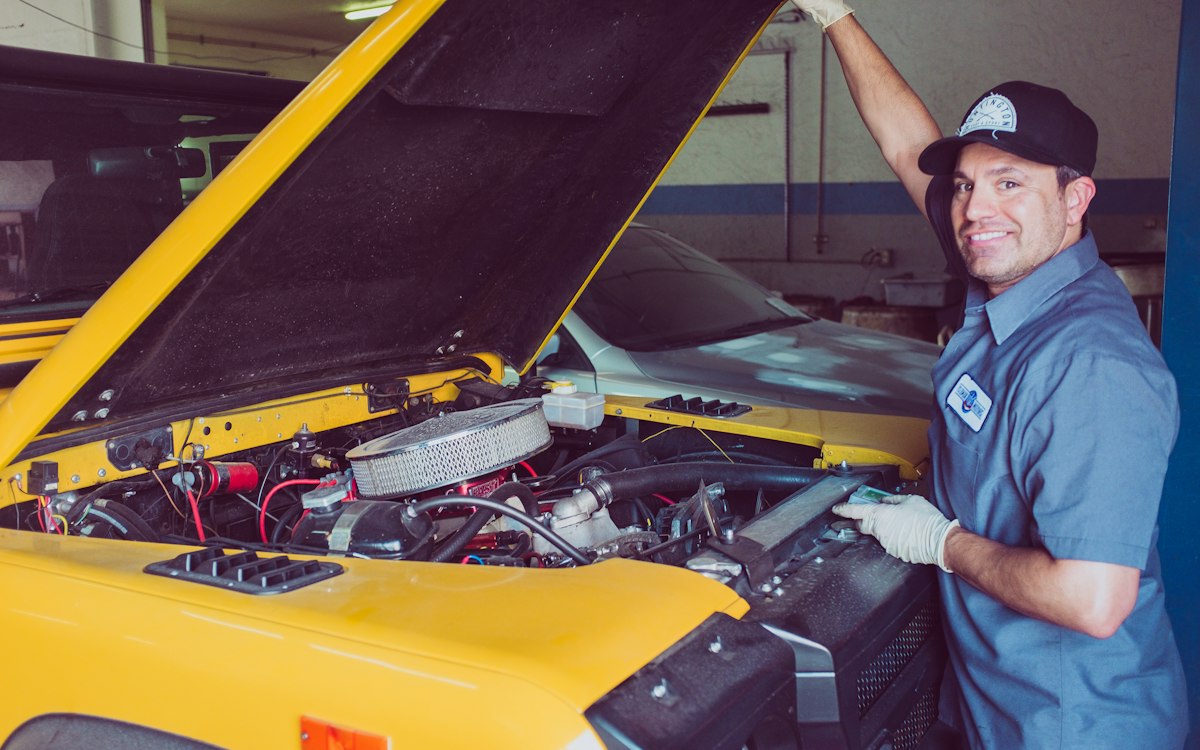
Emergencies don't wait for a good time. The transmission fails the week rent is due, the water heater floods the basement, or a medical bill turns out to be larger than expected. When the money isn't sitting in savings, you have to decide quickly how to pay for it, and that decision can shape your finances for months.
This guide walks through the most common choices, with a worked example so you can see how the costs compare.
First, take a breath and get the facts
Before you borrow anything, pin down the real number. Get a written estimate for a repair, ask for an itemized bill from a medical provider, and find out exactly when payment is due. Sometimes the deadline is more flexible than it first seems, and that extra time can open up cheaper options.
Ask the provider about a payment plan
Hospitals, dentists, veterinarians and many repair shops will spread a bill over several months, sometimes with no interest at all. Medical providers in particular may offer discounts or financial assistance if you ask. A short phone call can be the least expensive financing you'll ever find.
Option: putting it on a credit card
A card is fast and convenient, and if you can pay the balance off within a month or two, it can make sense. The trouble starts when the balance lingers. Card APRs are often high, and paying a small fixed amount each month can keep you in debt far longer than you'd expect.
Option: a personal loan
A personal loan gives you a lump sum, a fixed rate and a set payoff date. Because the payment is the same every month, it's easier to budget for, and the finish line is fixed from day one. Your rate will hinge on your credit and the lender, so compare the APR and the full repayment amount before accepting.
Comparing the two on the same bill
Say you need $2,500 for an urgent repair. Here are two ways it might play out, using illustrative rates:
| Approach | Monthly payment | Time to pay off | Total interest |
|---|---|---|---|
| Card at 24% APR | $75 | 56 months | $1,661 |
| Personal loan at 18% APR | $124.81 | 24 months | $495 |
With the card, paying $75 a month takes about 56 months and costs roughly $1,661 in interest. The loan has a higher monthly payment of $124.81, but it's finished in 24 months and costs about $495. Your own numbers will differ, but the pattern is common: a fixed term with a reasonable rate often beats a slow-moving card balance.
Check what's already covering you
Before borrowing, look at what might already pay part of the bill. Homeowners or renters insurance can cover sudden water damage, auto policies may cover certain repairs after an accident, and some credit cards include extended warranties on purchases. For medical costs, ask the provider whether the bill was correctly submitted to your insurer and whether you qualify for a financial assistance program.
Local utilities, nonprofits and community organizations sometimes offer one-time help with heating bills, rent or car repairs needed to keep a job. These programs vary widely by area, but a quick search or a call to a local assistance line can turn up options you didn't know existed.
Questions to ask before you accept any offer
- What APR am I being offered, and how much will I repay in total?
- Are there origination fees, and are they taken out of the amount I receive?
- How and when will the funds reach me?
- Will I be charged for clearing the balance early?
- What happens, and what does it cost, if a payment is late?
Clear, written answers to these five questions tell you nearly everything you need to judge whether a loan fits your emergency and your budget.
Options to approach with caution
- Payday loans: very short terms and fees that can translate into extremely high APRs. Rolling one over can quickly multiply the cost.
- Car title loans: your vehicle becomes the collateral, so falling behind could mean losing the car you rely on.
- Retirement account withdrawals: early withdrawals can bring taxes and penalties and permanently shrink your savings.
- Cash advances on a card: these usually carry a separate, higher APR and fees, with interest starting immediately.
These can look like quick fixes, but each carries risks that can outlast the emergency itself. If you're considering one, compare its total cost against a personal loan or a payment plan first.

Is a personal loan the right fit?
A personal loan usually makes most sense when the cost is too large to clear within a month or two, you want a predictable payment, and the APR you're offered is lower than what you'd pay by carrying the balance on a card. If the amount is small and you can repay it quickly, a provider payment plan or a card you pay off promptly may be simpler. Aim for whichever option costs least overall that you can still repay without strain.
Moving fast without getting burned
Urgency is exactly when scammers strike. Be suspicious of any lender that guarantees approval, pressures you to sign immediately, or asks for an upfront fee, gift cards or a wire transfer before releasing the loan. A legitimate lender will show you the APR, fees and total cost in writing before you commit.
If you're short on time, gather what most lenders ask for ahead of applying: a photo ID, something showing your income, and your bank account details for the deposit. Having those ready can make the difference between waiting days and getting an answer quickly.
After the dust settles
Once the emergency is handled, consider starting a small emergency fund, even if it's only a little from each paycheck. Over time, that cushion can cover the next surprise without any borrowing at all.
The short version
Confirm the real cost and deadline, ask the provider about a payment plan, then compare a credit card and a personal loan on total cost and time to pay off. Steer clear of high-cost shortcuts unless you've weighed them carefully, and never pay a fee upfront to get a loan.